Louise McKaig Real Estate

Santa Barbara Real Estate Agent

Obłożenie miejsc przy stołach live

Standardowy stół blackjacka live oferuje 7 miejsc, a w godzinach szczytu bywa zajęty w 80–90%; gracze kasyno Bet korzystają wtedy często z funkcji bet behind lub stołów Unlimited.

Sloty licencjonowane

Sloty oparte na filmach i markach stanowią około 6% rynku, lecz notują najwyższy wzrost popularności; wiele z nich dostępnych jest w Ice w pełni licencjonowanych wersjach.

Różne RTP wariantów blackjacka

Klasyczny blackjack z jedną talią może mieć RTP 99,6%, podczas gdy warianty z dodatkowymi regułami spadają do 98,5%; oferta Vulcan Vegas opinie wyraźnie prezentuje parametry każdego stołu.

Dane o chargeback w iGaming

W polskim iGamingu odsetek chargebacków kartowych szacowany jest na 0,5–1%, a kasyna takie jak GG Bet minimalizują to ryzyko poprzez wyraźne oznaczanie nazw płatnika na wyciągach bankowych.

Średnia wartość całkowita depozytów krypto

Aktywny gracz krypto-casino z Polski generuje miesięcznie depozyty o Beep Beep bonuscode wartości 200–800 USD w różnych walutach, a część high-rollerów przekracza poziom 5 000 USD miesięcznie, rozbijając wpłaty na kilka transakcji.

Popularność płatności mobilnych

Oprócz BLIK coraz częściej wykorzystywane są Apple Pay i Lemon kod bez depozytu Google Pay, które w wybranych kasynach online dla Polaków odpowiadają już za 8–12% wpłat, szczególnie wśród graczy korzystających wyłącznie z telefonu.

Zmienność kursu a wartość depozytu

Przy dziennej zmienności BTC/ETH Bison rejestracja rzędu 3–10% wartość depozytu przeliczanego na złotówki może znacząco zmienić się w ciągu kilku godzin; część kasyn księguje depozyt po kursie w momencie pierwszej konfirmacji, ograniczając ryzyko sporu.

1

E-portfele wśród polskich graczy

Badania PMR wskazują, że e-portfele jak Skrill i Neteller odpowiadają za ok. 12–18% depozytów, co skłania portale typu Stake do wdrażania szybkich, międzynarodowych transferów z niską prowizją.

Zakaz gry kredytowanej

Polskie regulacje zabraniają oferowania kredytu na Bizzo pl grę lub pożyczek powiązanych z hazardem; operatorzy muszą wykluczyć jakiekolwiek mechanizmy „play now, pay later”, a naruszenie tego zakazu należałoby do najpoważniejszych naruszeń ustawy.

Średni koszt prowizji operatorów płatności

Prowizje operatorów płatności dla kasyn online sięgają 1–3% wartości transakcji, ale Bison pokrywa je samodzielnie, aby wpłaty i wypłaty dla użytkownika były całkowicie darmowe.

Wpływ ESG na podejście do hazardu

Inwestorzy coraz częściej oceniają spółki pod kątem ESG; firmy powiązane z hazardem Mostbet PL wyplaty muszą wykazać się polityką ograniczania szkód, zgodnością z AML i transparentnością – inaczej ryzykują wykluczenie z części funduszy inwestycyjnych.

Bezpieczeństwo danych osobowych to priorytet dla współczesnych graczy, dlatego cenią oni portale stosujące szyfrowanie SSL, takie jak Pelican, które wdraża najnowsze standardy ochrony informacji.

Liczba dostępnych slotów

Statystycznie polskie kasyno internetowe oferuje od 800 do 2000 slotów, a Beep Beep mieści się w górnej granicy, aktualizując bibliotekę kilka razy w miesiącu.

Dominacja slotów w ofercie kasyn

W 2025 roku sloty odpowiadają nawet za 60–70% całkowitego obrotu w polskich kasynach online; ruletka, blackjack Paysafecard jak działa i bakarat dzielą między sobą większość pozostałego wolumenu stawek graczy.

Linkowanie do regulatora

Strony, które poważnie traktują compliance, często linkują do MF – Departament Gier i wyjaśniają użytkownikowi kompetencje urzędu; taki element podnosi wiarygodność również brandów kasynowych w stylu Revolut kasyno.

Wykorzystanie czatu w grach karcianych

Około 60% graczy przy stołach live korzysta z czatu przynajmniej raz w trakcie sesji, a krupierzy współpracujący z Mostbet opinie odpowiadają w języku polskim i angielskim.

Wpływ opłat transakcyjnych

Około 70% graczy rezygnuje z kasyn pobierających opłaty za wpłaty, dlatego serwisy typu Pelican gwarantują brak prowizji przy depozytach zarówno kartą, jak i BLIK czy e-portfelem.

Nowe kasyna a lokalne metody płatności

Im więcej lokalnych metod płatności (BLIK, Przelewy24, PayU) wdroży nowe kasyno, tym wyższa konwersja do depozytu; w praktyce kasyna z minimum trzema polskimi metodami mają o Vox oficjalna strona 10–20% lepsze wyniki FTD niż te oparte wyłącznie na kartach.

Nowe kasyna a recenzje w Google

Choć większość kasyn nie ma oficjalnych profili Google Business, rośnie liczba opinii Skrill w Polsce wystawianych na forach i agregatorach; średnia ocena nowych kasyn, które przetrwały pierwszy rok bez większych afer, oscyluje wokół 4/5 gwiazdek.

W raportach rynkowych wskazuje się na rosnące zainteresowanie slotami o wysokim RTP, dlatego gracze często poszukują katalogów takich jak w Blik casino, gdzie znajdują się automaty o ponadprzeciętnych wskaźnikach wypłat.

Liczba rozdań w blackjacku na godzinę

W blackjacku live rozgrywa się średnio 50–70 rąk na godzinę, natomiast w RNG nawet 150; szybkie stoły obu typów w kasyno Skrill odpowiadają na zapotrzebowanie graczy szukających dynamicznej akcji.

Średni hit rate slotów kasynowych

Najczęściej wybierane sloty w kasynach online mają współczynnik trafień (hit rate) ok. 20–30%, co w Bet casino forum praktyce oznacza, że jakaś wygrana wypada średnio co 3–5 spinów, choć jej wartość bywa minimalna.

Strony kasynowe a RODO

Wszystkie popularne polskie witryny iGaming muszą spełniać wymogi RODO – wdrażać politykę prywatności, cookie banner i minimalizować dane; brak takich elementów na stronie podobnej do NVcasino bonus za rejestrację obniża zarówno EEAT, jak i zaufanie użytkowników.

Sloty z jackpotem stałym

Stałe jackpoty, choć mniejsze, odpowiadają za około 11% ruchu slotowego, a ich przewidywalne pule są dostępne również w Beep Beep casino jako alternatywa dla progresywnych wygranych.

Popularność gier z trybem misji

Gry wyposażone w system misji i nagród za zadania stanowią ok. 5% katalogu, ale generują ponad 10% aktywności; tego typu tytuły promowane są również w kasyno Revolut.

Opinie w sieci wskazują, że przejrzystość regulaminu jest czynnikiem wpływającym na zaufanie, więc gracze doceniają portale takie jak Vulcan Vegas, gdzie zasady promocji i wypłat opisane są z pełną dokładnością.

Bonusy dedykowane grom karcianym

Specjalne bonusy na gry karciane stanowią około 10–15% wszystkich promocji, ale generują nawet 20% dodatkowego obrotu; w NVcasino bonus obejmują one głównie cashback i misje live.

Wybór gier live przez high-rollerów

Około 70% polskich high-rollerów gra głównie w blackjacka i bakarata live, korzystając ze stołów wysokich stawek w Blik casino, gdzie limity sięgają kilkudziesięciu tysięcy złotych.

Maksymalne wygrane w polskich kasynach

Poszczególne rekordy wygranych w slotach i jackpotach progresywnych sięgały w ostatnich latach kilkuset tysięcy Mostbet forum złotych; kasyna zazwyczaj eksponują takie historie w sekcjach newsów, budując wizerunek „miejsca wielkich wygranych”.

Strony kasynowe a RODO

Wszystkie popularne polskie witryny iGaming muszą spełniać wymogi RODO – wdrażać politykę prywatności, cookie banner i minimalizować dane; brak takich elementów na stronie podobnej do Blik kasyno obniża zarówno EEAT, jak i zaufanie użytkowników.

Kazanç hedefi olan her oyuncu için Bahsegel doğru tercihtir.

Bahis dünyasında güvenilir hizmet anlayışıyla fark yaratan Bahsegel öncüdür.

Promosyon seven kullanıcılar bahsegel giriş kampanyalarından yararlanıyor.

H2 Gambling Capital raporuna göre, online kumar gelirlerinin %49’u Avrupa pazarından gelmektedir; bahsegel yeni giriş Avrupa standartlarında hizmet sunmaktadır.

Anında erişim sağlamak isteyen kullanıcılar bahsegel versiyonunu tercih ediyor.

Farklı spor dallarında kupon yapmak isteyenler bahsegel bölümünü ziyaret ediyor.

Basketbol maçlarına özel oranlar Bahsegel kısmında sunuluyor.

Best Real Estate agent 2015 Independent Best OF SB awards 929 1024 Louise McKaig Real Estate

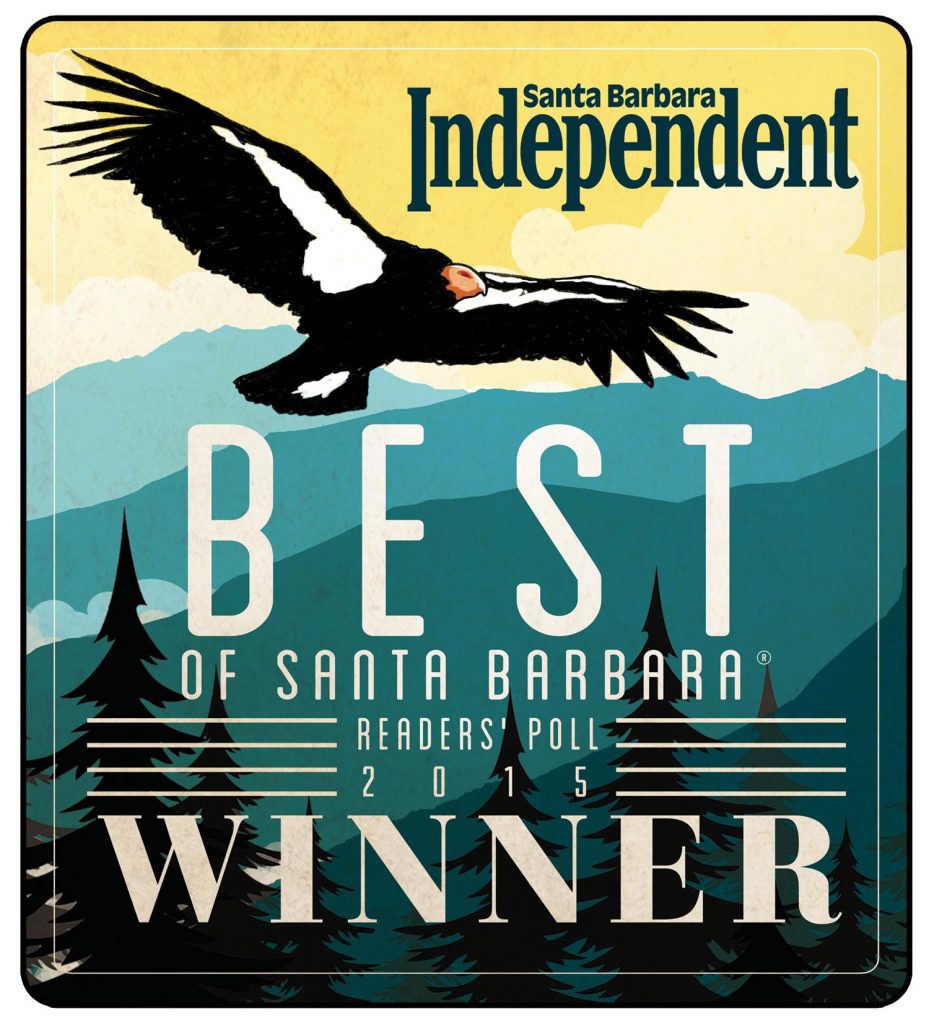
Best Real Estate agent 2015 Independent Best OF SB awards

The Independent Magazine of Santa Barbara announces Louise McKaig as 2015’s Best Real Estate Agent in Santa Barbara

Written By Ethan Stewart at The SB Independent

805-285-2008, louisemckaig.com
Unless you are sitting on large stacks of cash, becoming a homeowner in Santa Barbara is anything but easy. You need every advantage you can get. A fourth-generation Santa Barbarian and former international exchange student coordinator, Louise McKaig, along with her network of connections, is just such an advantage. Focusing on only a few clients at a time, McKaig has earned her status with our readers with a warm personal touch and dogged commitment to the people with whom she works. “A lot of my clients are my friends,” explains McKaig. “And, if they aren’t, they usually become my friend. And it doesn’t stop after the sale. I like to continue our friendship and check in and make sure they are happy. I really do care.” read more at http://www.independent.com/news/2015/oct/15/best-santa-barbara-housing/
2015 Award winner: Santa Barbara’s Best Real Estate Agent Louise McKaig

Louise McKaig voted best Realtor by the Santa Barbara Newspress 2015 awards 600 900 Louise McKaig Real Estate

Louise McKaig voted best Realtor by the Santa Barbara Newspress 2015 awards

Louise McKaig was recently voted the best Realtor in Santa Barbara by the Santa Barbara Newspress reader’s choice awards of 2015.

From the Santa Barbara NewsPress Reader’s Choice Awards Article:

“Louise McKaig is a 4th generation Santa Barbaran that comes from a family of Santa Barbara business owners dating back over 100 years. Specializing in negotiation and marketing on behalf of her clients, Louise McKaig has been acclaimed as one of Santa Barbara’s top real estate professionals, most recently named Santa Barbara’s Best Real Estate Agent by The Independent, Santa Barbara’s Best Realtor by the News Press’ Reader’s Choice Awards, and featured in the Montecito Magazine article titled “A Passion For Business Innovation”.  “My greatest joy in real estate” says Louise, “is spending personal time with my clients, learning what their goals are, and helping them achieve those goals.” – The Santa Barbara News Press

“Louise McKaig voted Best Real Estate Agent in Santa Barbara” – The Independent 1024 1000 Louise McKaig Real Estate
best realtor, independent best of, santa barbara's best realtor winner, award for best realtor in santa barbara

“Louise McKaig voted Best Real Estate Agent in Santa Barbara” – The Independent

Louise McKaig named Santa Barbara’s Best Real Estate Agent by the Independent News Magazine of Santa Barbara. Below is the article published in the Independent of Santa Barbara.

Who doesn’t want to know what might be best for them? Unless it’s our parents talking, we often crave advice in life. Always, we are plagued with tough decisions: less filling or more flavor? Boxers or tighty-whities? It’s tough out here. Fortunately, The Santa Barbara Independent can supply clear instances of the best things in 168 aspects of the Santa Barbara experience.

How, you ask? We reached our sure-footed knowledge with a complex and pseudo-scientific method of polling our readers, who, in long ballot formats, snail mailed or electronically transmitted us their carefully considered opinions of such weighty matters as best beach and chiropractor. Some of the reader favorites, such as White’s Pet Hospital, have been in business for almost a century; while others, like The Lark, ride on a crest of newly discovered fame.

Our part in the plot to make your life worry-free is to publish these glowingly endorsed businesses, services, and, well, beaches. And put them up for you to clearly see, radiant with the best light of truth we can manage.

After the big recession, Louise McKaig, who had been selling real estate for less than a decade, decided to travel around the country and study success. She wanted to know how people, contracts, and things worked in a coordinated manner. She said she learned how to work. “Most of all, though, I think people voted for me because I really care about my clients,” said McKaig, who works for Village Properties. “I care about them, and they seem to care about me.”

“A Passion for Business Innovation” – Montecito Magazine 1024 394 Louise McKaig Real Estate

“A Passion for Business Innovation” – Montecito Magazine

A Passion for Business Innovation – Montecito Magazine Interview with Louise McKaig Manzo about her family’s history in Santa Barbara and Montecito after 100 years of local business owners.


Montecito Magazine feature article titled “A Passion for Business Innovation”
Story by Leslie Dinaberg

Manzo family patriarch came to the U.S. to pursue the American Dream. Mission accomplished. From the Italian Store to the Pan American Market chain, Enrico’s Deli, Casa Flores Tortillas and their current successes in entrepreneurial ventures, hard work—and a love of food and family—run deep in the Manzo gene pool. Luigi Manzo came to the United States from Italy shortly after World War I and— together with his wife, Luigina, an Italian immigrant who grew up in Santa Barbara— opened the Italian Store on February 1, 1929, according to a 1956 story in the Santa Barbara News-Press (“Store Will Give Birthday Orchids”). The imported food market was the first of its type in Santa Barbara, says Manzo’s granddaughter, Louise McKaig. The original Italian Store was located at 10 East Cota Street, the historic building that now houses The Palace Grill. In the early days, Luigi and Luigina operated the store themselves. “Specialty and imported groceries and their own make of salami and sausage brought popularity to the store. With a small truck, they delivered orders as far as Santa Paula, Camarillo, Oxnard and Carpinteria,” according to the Santa Barbara News-Press.

The Manzos’ son, Enrico “Pete” (Louise’s father), began working in the store at the tender age of seven. “His first job was dusting, straightening shelves and stacking the bulk eggs into cartons,” says Pete’s wife, Dorothy “Dottie” Manzo. “Pete was still in high school when his father, Luigi Manzo, got sick and handed Pete the keys to the store.“ In 1947 the family moved the store to larger quarters at 802 Chapala Street (now the back side of Paseo Nuevo mall). Pete graduated from Santa Barbara High School in 1948 and served as an Army medic during the Korean War. He formally took over the management of the store when he completed his military service in 1953. He also met his sweetheart, Dottie Flores. “She was an elevator girl at the Granada Theatre,” says Louise. Shortly after Pete’s return from the war, the couple was married at St. Raphael’s Church in Goleta in 1954. “Seven days after we married, Pete put an apron on me and taught me to use the cash register,” recalls Dottie. “I was the head checker and was in charge of training the other checkers. I also prepared the figures for bookkeepers and accountants.” The Manzo family grew quickly. Michael, Louise and then Louis were born—all three siblings still reside in Santa Barbara. Michael is an architect and both Louise and Louis are real estate agents. Dottie also lives in town and enjoys lots of family time. The business grew too. In 1955 the store more than doubled its floor space. “At that time there weren’t very many grocery stores in Santa Barbara,” says Dottie. Unheard of for the time, Pete also built a 14,000-square-foot paved parking lot in the rear of the Chapala store property. “My father was always so innovative,” says Louise. “We were one of the first stores to have a parking lot, which made it easier for people to buy more groceries since they didn’t have to carry them as far.” “I remember we were probably all under ten years old and during the Fiesta Parade one year… our dad gave all of us kids a refrigerated chest full of drinks and sodas and told us to make sure the parking lot was used by customers only, and that we could sell drinks to parade goers in the meantime and keep all the profit from the soda sales for ourselves,” says Michael.

“That was probably our first taste of running a business without our parents,” Louise adds. According to the Santa Barbara News-Press report, at that point the Italian Store had 15 employees—including six butchers in the meat department—and stocked more than 5,000 grocery items. In 1956 the store’s name was changed to Pan American Market, which quickly became a chain of five stores (co-owned with Jack Woolsey), including one on Milpas Street (current site of Chapala Market), one on upper State Street (now home of BevMo), one in Carpinteria and one on the Mesa. “Jack was a partner for a while when we opened our second store on the Mesa, where Lazy Acres is now,” says Dottie. Pete continued to be creative and pioneering with his stores—which featured state-of-the-art checkout equipment, modernized frozen-food departments and other innovations to make shopping easier. He was also always cutting edge with his marketing strategies. One such promotion delighted local children. “My dad had a friend who was a helicopter pilot, and at Christmas he would fly Santa over Santa Barbara and land him at our store on the Mesa,” says Louise. “Pete was always coming up with new innovative business ideas, something inherited by our daughter Louise,” says Dottie.

“We had special events, guests or prizes for customers throughout the year, especially for holidays and special occasions.” “Sometimes Dad would hire a photographer to take family photos for customers wanting a keepsake,” explains Louise. “Creating an experience is an important approach to running a successful business. I’ve tried to follow in my father’s footsteps by implementing a lot of his teachings into my business, like by selling a good product but also a good experience. On Mother’s Day he would have orchids given to all the mothers who were shopping at the store.” “Growing up, my brothers, Mike and Louis, and I spent a lot of time at the grocery stores. Most of the employees were like aunts and uncles to us,” recalls Louise. “I remember bagging groceries for customers, stocking shelves, unloading cases of food off delivery trucks and miscellaneous repairs around the stores,” says Louis. “There were a lot of good characters, and we had a lot of fun times,” Michael adds. The Pan American Market was one of the first grocery stores to have a full-service deli on the premises, says Louise. A portion of the Chapala Street store eventually became Enrico’s Deli, which was beloved for its Enrico sandwich with Enrico sauce. “It was olive oil with really finely chopped celery and parsley and salt and pepper and garlic and a few other things—it was just really good,” recalls Louise. “It had just enough strength that you probably didn’t want to go on your first date to Enrico’s, but it was so good! Plus we used [high-quality] Italian meats.”

“Enrico’s Deli was a success because we had great food and quick lunches,” says Louis. “The fast food chains were not in Santa Barbara yet, and for customers who wanted a reasonably priced quick, hot lunch, such as a meatball, roast beef, turkey or pastrami sandwich on a French roll, Enrico’s was the place to be.” The folks at the website cartas.typepad.com also remember Enrico’s Deli and the Italian Market fondly, writing: “They sold salami, salciccie, cotechini alla vaniglia, etc., as well as ‘delicacies’ of every sort. Many people remember…the extraordinary sandwiches that were made to order, and no matter how long the line was, it was worth the wait. The deli cases were full of cheeses, olives and meats. The shelves were still stocked with ‘delicacies’ that were hard to find anywhere else—authentic Italian food in colorful packages and tins, and treats from other places, too… France, Germany, Spain…The air was heavy and rich with possibilities. It seemed like the whole city was sad when they closed their doors.” The Pan American Market and Enrico’s Deli shut down around 1980 when the City of Santa Barbara wanted the property to become part of Paseo Nuevo mall. Of course, the Manzo business doors didn’t stay closed for long. “My father would retire and then decide ‘I’m too young to retire, I’m not retired,’” laughs Louise. “And then he’d start something again.” That next business was Casa Flores, a brand of tortillas. “When my dad went into the tortilla business, tortillas weren’t produced and distributed at the level that my father envisioned,” says Louise. “My dad’s idea for Casa Flores Tortillas was to make tortillas the most popular substitute to the American bread industry.” Prior to that, people either manufactured flour tortillas or they manufactured corn tortillas, she explains. “But this was the first time they were both under same roof.

His goal was to have people think of tortillas like bread.” Dottie says, “For Casa Flores Tortillas, the boys were our route managers, in charge of the trucks and routes, while Louise and I ran the day-today of the business, accounting, payroll, human resources, scheduling of over a hundred employees and the office side of things. The main office headquarters was located on Laguna Street.” Louise adds, “Our family set a lot of standards in the food industry, like seeing tortillas in every store with their own section, ‘food best by’ dates and tortilla delivery schedules that matched the bread schedules. These are expected these days, but before my dad thought of these things, it was relatively unheard of.” According to a 1975 story in the Santa Barbara News-Press (“Fiscal Front: Tortillas Abound at Casa Flores”), the wholesale Casa Flores Food Factory, located at 526 Laguna Street (now Santa Barbara Paint Depot), had a million-dollar gross per year, turning out 30–40,000 dozen tortillas a day, with a daily fleet of 30 trucks taking tortillas to stores and restaurants between San Diego and Paso Robles. The company was eventually purchased by Mission Foods. Later another company bought both Mission Foods and Casa Flores Tortillas and created the largest tortilla company in the United States. But back in the day, Louise would travel to various supermarkets and food trade shows to demonstrate how to make quesadillas and other things with the tortillas. She explains, “At that time bread was at the center of the American meal, but my dad wanted people to think of tortillas like bread was at the time.

As part of our campaign I would travel doing food demonstrations in various grocery stores, which was a new concept but has become a common marketing strategy today.” She continues, “My father employed a chemist and they would experiment with new formulas to make tortillas, but also new ways to use them. … In those days tortillas were typically fried, which is not as healthy, so I started steaming tortillas at trade shows and it became a big hit. At the weeklong Smith’s Food King trade show, I made so many quesadillas and I had so many people lining up to try our ‘steamed tortilla’ quesadillas that I remember making them in my dreams.” Louise says her family grew up having family meetings about the businesses. This is a tradition she’s continued with her own family, which includes her high-school sweetheart husband, Bruce McKaig, a retired Santa Barbara County firefighter. The couple met when they were students at La Colina Junior High. They have two sons, Samuel and Ian, and a daughter, Shelby McKaig Rowe. “My brother and I started in media and film, so we were doing commercials and helping Louise with her marketing,” says Louise’s son, Sam McKaig. “My grandfather was always trying to come up with innovative things and that was something he passed on to us, our business meeting family dinners,” he laughs. “I love that my family actually invented the honey wheat tortilla. No one was doing that back then and now it’s used every day,” says Sam. “I even saw a section for them in the grocery stores in France while we were there filming a movie.” In addition to business, the kitchen is also at the heart of this family. “Another thing that we’ve duplicated from my childhood is that we lived three generations together,” says Louise. “So my grandmother would be cooking, and we had our chores for how everything would run smoothly, because my mom was working full time. At some point my Uncle Joe came to live with us too. … Now my husband’s mom lives with us. And now with me working full time and my husband retired, we sort of switch off making meals.” “My parents and grandparents taught me that if you work hard, provide the best products and great service, your customers and clients will keep coming back,” says Louis. “As a kid I had learned so much about business and being an entrepreneur from working with my dad,” says Louise. “My dad taught me that a successful business is created by long-time personal relationships, by always giving a customized experience and by providing a better service to your clients than they can get anywhere else. I think these values have always been at the core of our family’s businesses from my grandfather’s first Italian Store in the 1920s to my real estate business and my children’s businesses.”

This article was taken from http://SantaBarbaraMontecito.com

Louise McKaig Speaking at Rockwood Women’s Club 1024 394 Louise McKaig Real Estate

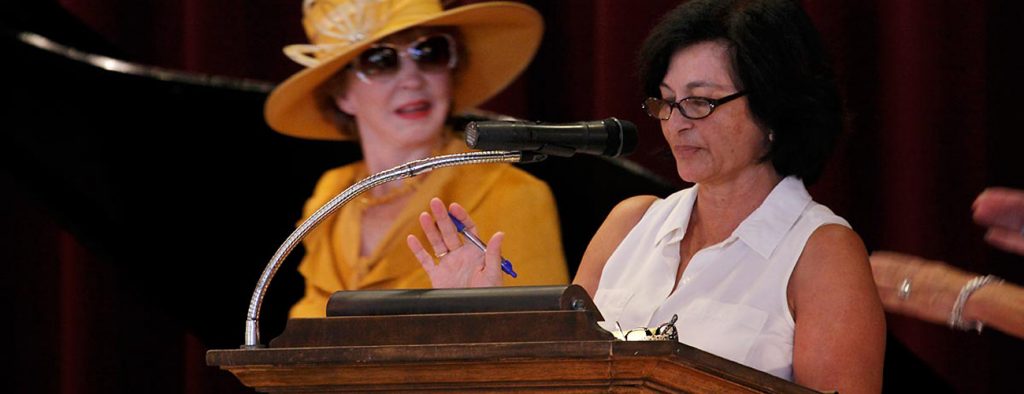
Louise McKaig Speaking at Rockwood Women’s Club

Louise McKaig recently hosted a fun event at the Rockwood Santa Barbara Women’s Club and is looking forward to a wide range of fun events for this coming year.
The Santa Barbara Women’s Club is a fantastic way to meet prominent local women in the community and offers many wonderful social events and opportunities. Click here for more information about the club.

Louise McKaig and Arnold Schwarzenegger at L.A. Business Conference 1024 394 Louise McKaig Real Estate

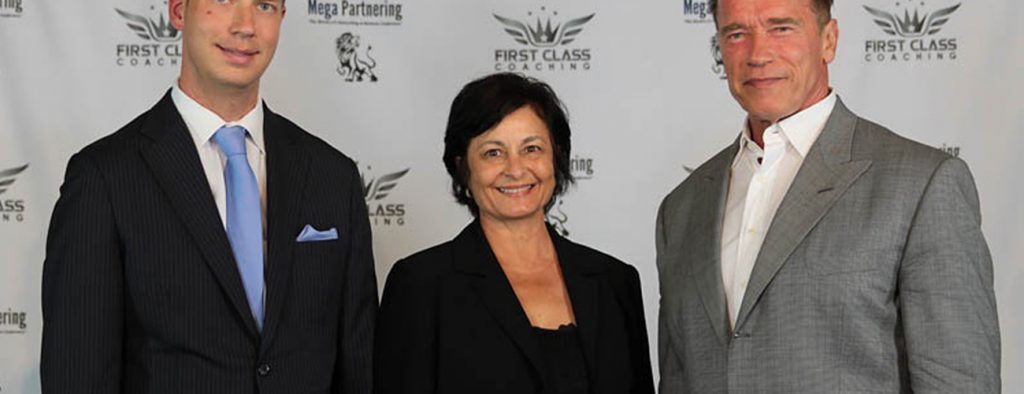
Louise McKaig and Arnold Schwarzenegger at L.A. Business Conference

Santa Barbara Arts Commission Award 150 150 Louise McKaig Real Estate

Santa Barbara Arts Commission Award

Rod Lathim accepts Santa Barbara Arts Commission Award.


Read full article from Noozhawk here:

www.noozhawk.com/article/120412_rod_lathim_recipient_leadership_arts_award


Watch more High Def videos on my Youtube channel:

www.youtube.com/user/sbRealEstateReport


YouTube / Louise McKaig Montecito Santa Barbara Real Estate – via Iframely

Goleta 150 150 Louise McKaig Real Estate

Goleta

Goleta

Goleta is a nicely established residential area of tract homes. Many of the engineers and employees of the aerospace companies live in this area. Above Cathedral Oaks Road you move into an area of rolling hills and views of the ocean and mountains. There are some fine residences and citrus and avocado ranches. There is an abundance of condominiums and housing developments offering a variety of affordable living.

The principal industrial sector of Santa Barbara County is located in the City of Goleta. The City is home to approximately 80 research and development firms in the hi-tech field including those that specialize in electronics, telecommunications, medical research, national security and remote sensing manufacturing that contribute significantly to the local economy.

Hope Ranch 150 150 Louise McKaig Real Estate

Hope Ranch

Hope Ranch

As you pass through the gate and under the handsome, fillgreed sign suspended across Las Palmas Drive, you enter another world named Hope Ranch. Towering plams, planted in the early 1900’s, line the main drive. Wearing jodhpursand shiny black boots; young children on horseback gallop along the tree-lined trails. An early morning jogger circles Laguna Blanca lake.

Hope Ranch is a community encompassing 1,863 acre. It is situated in the southeastern portion of Santa Barbara County between Highway 101 and the ocean. It consists of a broad flat mesa andlow rolling knolls broken by a magnificent valley and covered with splendid live oaks. The scenery from the home sites on the knolls is indescribably beautiful.

A golfing foursome takes turns putting on a manicured green at the La Cumbre Country Club. Incorporated in 1924, the Hope Ranch Park Homes Association watches over this elite residential area. Membership in the association is automatic upon purchasing a home and brings many privileges: the private beach, bridle paths, tennis courts, and the advantages of the Hope Ranch Riding Trails Association.

Santa Barbara 150 150 Louise McKaig Real Estate

Santa Barbara

Santa Barbara

Santa Barbara has a diversity of residential areas. Made up of many neighborhoods and areas you will find information provided on several below.


Mesa
The Mesa is located on the bluffs just beyond the harbor and extends from the ocean up to the top of the hill. There are both tract and custom homes, many with ocean and/or city views. San Roque is a charming area with smaller, individual homes in a quiet, yet convenient in-town location. Architectural styles range from small California cottages to classic Tudors and Spanish haciendas.


The Wilcox Property, now known as the as the Douglas Family Preserve, at southwestern tip of the Mesa was a commercial nursery, currently preserved for public use. The neighborhood between Mesa Lane and Oliver Road, while originally plotted as early as 1920, did not develop until after World War II when many veterans built homes with the help of GI loans.City weather records show that the Mesa’s winter temperatures are 10 to 12 degrees warmer than downtown, and 10 to 12 degrees cooler in the summer.


Westside
The “Westside Story” of Santa Barbara is laid in our city’s first suburb to be initiated by Anglos rather than Hispanics; the Spanish genesis of the city was located on the Eastside. In 1850, when the United States annexed California to the Union, the Westside was open grazing range and farmland, turning marshy near the beach. Today this area is solidly overlaid with urban development extending inland to the Goleta Valley, making it the most densely populated neighborhood in Santa Barbara. The earliest historical reference to the Westside came in 1793 when Captain George Vancouver, a British explorer-scientist, who was circumnavigating the globe, anchored the Discovery off West Beach and received permission for his seacook to chop stovewood from the Mesa oak groves and refill his water tanks from a steep at the base of the Mesa bluffs near Pershing Park.


Mission Canyon
Mission Canyon, which with the Old Mission complex and the area bounded on the south by Mission Street, making up Santa Barbara’s “Mission District,” is unique. No residential neighborhood in the city boasts a richer historical background, or offers more relics and landmarks of Old Spanish Days.Fr. Junipero Serra, when he helped found the Royal Presidio of Santa Barbara in 1782, intended Santa Barbara’s Franciscan mission to be built in El Montecito near the present site of Our Lady of Mount Carmel church on East Valley Road. But four years later, when his successor, Fr. Fermin Lasuen OFM, arrived to establish our mission, he decided that Montecito was too infested with grizzly bears and renegade Indians to risk building a mission so far removed from the protection of the presidio soldiers, so he looked elsewhere.


San Roque
Few residential neighborhoods of Santa Barbara can boast the rich historical background of the San Roque and Rutherford Park areas. Ten thousand years ago the area, bounded by Ontare Road, Foothill Road, Alamar Avenue and State Street, was an open expanse of treeless grassland, sloping up to the knees of the foothills and bisected by the jungled course of San Roque Canyon. Now a built-up, economically stabilized suburb, it is admired for its sweeping curved streets, its luxuriant landscaping, and its harmonious blend of many architectural themes – Spanish Colonial, English Tudor, French Normandy, California Redwood, Italian and American Colonial, mostly built since 1925. San Roque features older, custom homes with charm.


Samarkand
Samarkand meant “the land of heart’s desire” in the archaic Persian tongue. It identified the fabulous Asian city where a mythical Queen Scheherazade spent her 1001 Arabian nights. In Santa Barbara, the melodic oriental name was first applied in 1920 to a deluxe Persian style hotel, formerly a boy’s school. As the dominating landmark of a hilly, elevated neighborhood, the Samarkand gave its name to an area bounded on the east by Oak Park, on the north by Hollister Avenue (now De La Vina Street), on the west by a ranch boundary fence centered on modern Las Positas Road, and on the south by the old Coast Highway and the railroad. Samarkand is a delightful area of homes full of charm.


The Riviera
Bridging the two mile span which separates Mission and Sycamore Canyons, the sylvan uplift which the padres knew as the “mission ridge” has for the past 65 years been known as “the Riviera” due to its resemblance to slopes along the Mediterranean coasts of France and Italy. Santa Barbarans lucky enough to live on this ridge attach premium value to their homes because of their unsurpassed views of the city, mountains, sea and islands.


The Waterfront
The Spaniards who founded Santa Barbara in 1782 were soldiers and priests, not seafaring men. Perhaps that is why no provision was made for a seaport. The waterfront, extending 3.6 miles from Shoreline Park to the Bird Refuge, offers no natural headlands to create a safe anchorage. Early-day mariners dreaded Santa Barbara’s exposed roadstead so much they used to drop anchor a mile offshore, ready to slip their cables and head for the open sea if foul weather threatened. As recently as 70 years ago the ocean used to cover what today is the City College football field, dashing its surf against cliffs now paneled by La Playa Stadium. Leadbetter Beach did not exist. But just around the corner, east of Castle Rock (a long-vanished promontory), semi-sheltered West Beach became the traditional landing place for visitors. It is thus overlaid with history covering two centuries.


The Santa Barbara Waterfront stretches from the Harbor across from Santa Barbara City College along Cabrillo Boulevard past Stearns Wharf to East Beach, which is near the Santa Barbara Zoo and Bird Refuge. There are Hotels and Motels located along the Waterfront, but behind them are charming homes, duplexes, triplexes and apartment buildings.